
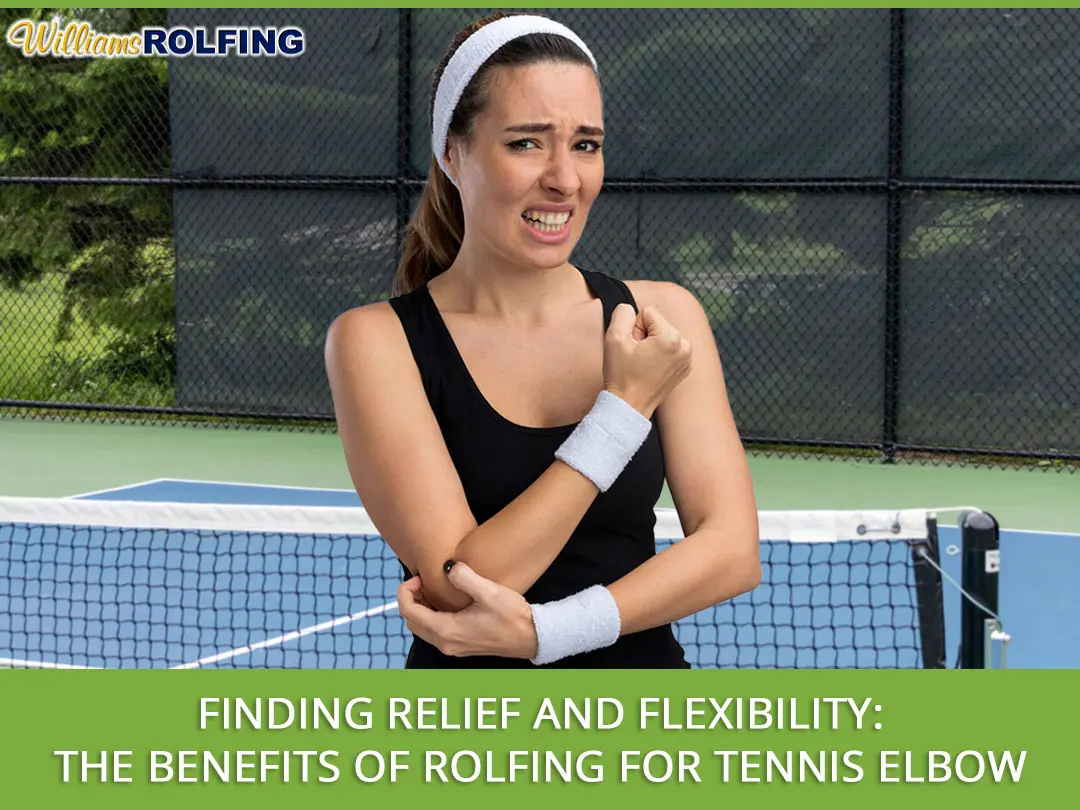
Finding Relief and Flexibility: The Benefits of Rolfing for Tennis Elbow

Understanding tennis elbow and its causes Tennis elbow, also known as lateral epicondylitis, is a common condition resulting from the overuse of the forearm muscles and tendons. While the name suggests it affects only tennis players, it can occur in anyone who repeats gripping or swinging motions. This includes athletes in Tampa who enjoy activities such as pickleball, table tennis, or golf, as well as those who perform repetitive tasks at work. The condition can cause pain on the outside of the elbow, stiffness in the arm, and difficulty lifting or gripping objects. Traditional treatments for tennis elbow often focus on rest, braces, or anti-inflammatory medication. While these methods can temporarily alleviate discomfort, they do not always address the underlying tension patterns within the body. That is where Rolfing, a form of structural integration therapy, offers a unique and lasting approach to healing. How Rolfing supports recovery Rolfing works by changing the way the connective tissue, called fascia, is arranged to bring the body back into balance and alignment. When […] Continue reading
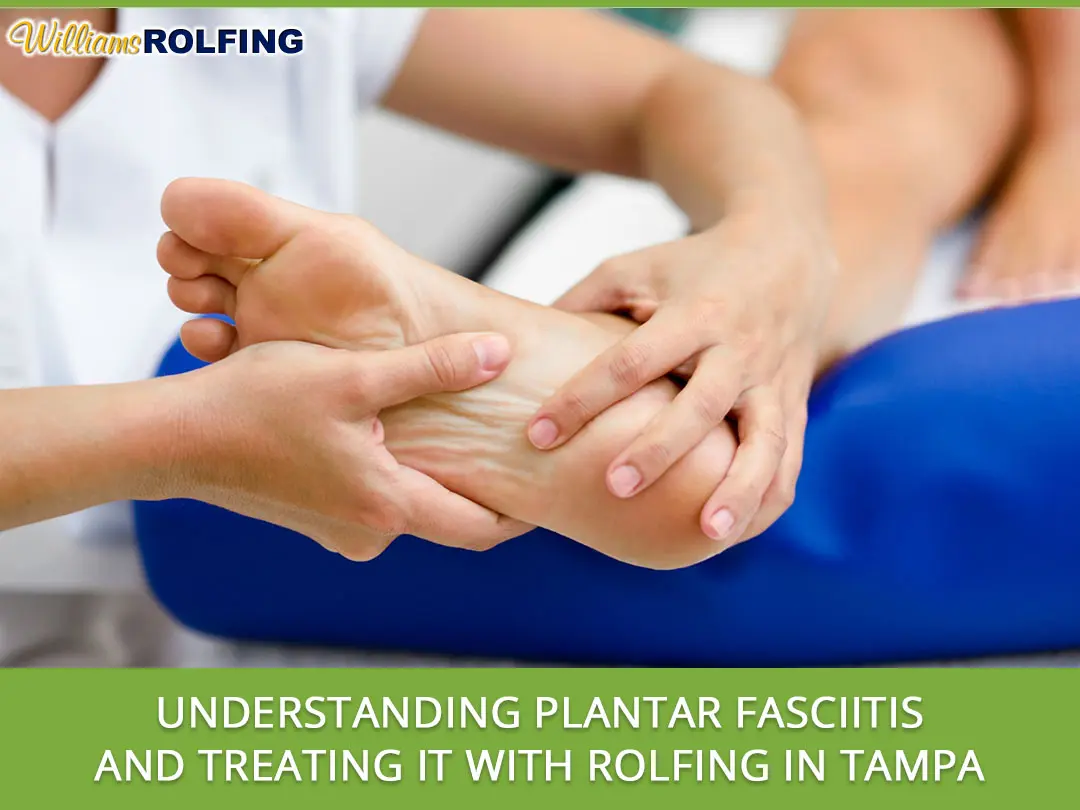
Understanding Plantar Fasciitis and Treating It with Rolfing in Tampa

Many residents of Tampa struggle with heel pain that disrupts daily activities, exercise routines, and overall comfort. Plantar fasciitis, which is an inflammation of the thick band of tissue that connects the heel bone to the toes, is one of the most common causes. While traditional approaches, such as stretching, rest, or orthotics, can offer relief, Rolfing provides a more comprehensive and holistic approach to the lasting treatment of plantar fasciitis. This method focuses on improving body alignment, muscle balance, and connective tissue health, helping individuals reduce pain and restore natural movement. What Is Plantar Fasciitis? Plantar fasciitis happens when the plantar fascia, a strong band of connective tissue that runs along the bottom of the foot, gets irritated or strained. This tissue holds up the arch and absorbs shock with each step. When it is stressed repeatedly, tiny tears can form, leading to inflammation and pain. A sharp pain in the heel or sole is a common symptom, especially when you first get up in the morning or after […] Continue reading