
December 10, 2025
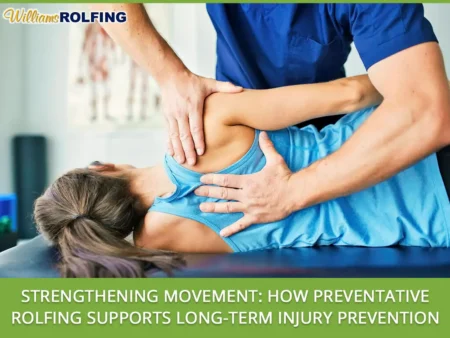
Athletes, active adults, and professionals who spend long hours sitting often investigate how to protect their bodies from strain. In Tampa, Rolfing has gained attention as a method that supports balanced movement and reduces the likelihood of future injuries. While many individuals first seek Rolfing to address discomfort, regular sessions can also serve as a proactive approach that supports stability, flexibility, and overall structural alignment.
Understanding Rolfing from a Preventive Perspective
Rolfing focuses on the body’s connective tissue and how the structure responds to daily stress, movement, and posture. When those patterns become imbalanced, specific muscles overwork while others weaken. These imbalances may lead to strain in the lower back, hips, shoulders, or neck. The preventative approach to Rolfing aims to restore balance before discomfort becomes pronounced.
By addressing the body as a whole system rather than isolated regions, Rolfing practitioners observe how weight distribution, joint alignment, and posture influence long-term movement. When the structure is aligned, the body absorbs impact more efficiently and requires less compensatory effort during physical activity. This can decrease the likelihood of stress-related injuries.
How Rolfing Helps Reduce Common Injuries
Many common injuries begin with subtle patterns that develop over time. Tight hip flexors, rounded shoulders, limited ankle mobility, and weak stabilizing muscles often create strain during routine activities. Rolfing helps improve these patterns by releasing tension in the connective tissue and supporting a more balanced foundation.
For athletes, the result contributes to smoother movement and improved response to dynamic forces. Runners may experience improved stride patterns. Cyclists often experience greater comfort in long-distance training. Strength athletes may notice improved joint alignment during lifting. Office workers who sit for extended periods may obtain relief through a more balanced posture and reduced neck or back strain.
The Role of Regular Sessions in Long-Term Wellness
Preventative Rolfing works best when sessions occur consistently. As the body adapts to new alignment patterns, gradual reinforcement helps maintain stability. Many clients choose a structured series of sessions to address foundational imbalances, followed by periodic maintenance visits.
This regular approach helps the body remain responsive, flexible, and supported throughout the year. Consistency also allows the practitioner to track changes over time and adjust techniques as new movement goals develop.
Integrating Rolfing into an Active Lifestyle
Rolfing complements many forms of exercise and wellness routines. Stretching, strength training, yoga, Pilates, and aerobic activity all benefit from improved alignment and mobility. Restoring structural balance often enables individuals to engage in their preferred activities with greater ease and reduced fatigue.
Those recovering from past injuries may also observe that Rolfing supports their transition back into regular activity. Addressing compensatory patterns helps prevent old habits from contributing to future strain.
Frequently Asked Questions
How does Rolfing help prevent injuries?
Rolfing improves alignment, mobility, and connective tissue balance. When the structure is more evenly supported, the body experiences less strain during movement.
Is Rolfing useful for individuals who are not athletes?
Yes. Rolfing supports anyone who wants to maintain a balanced posture, reduce long-term tension, or improve general wellness.
How often should preventative Rolfing sessions occur?
Many clients complete a structured series of sessions and then continue with maintenance appointments. Frequency varies based on activity level and personal goals.
Can Rolfing help with work-related strain?
Yes. Rolfing often helps individuals who sit for extended periods or perform repetitive tasks by improving posture and reducing compensatory tension.
Preventative Rolfing provides a thoughtful approach to long-term wellness by addressing movement patterns before they lead to strain. Through structural alignment, improved mobility, and gradual reinforcement, clients can support a more resilient body throughout their daily routines. For those in Tampa seeking guidance and support, Williams Rolfing offers professional Rolfing services to promote balance and prevent injury.
Picture Credit: Depositphotos


