
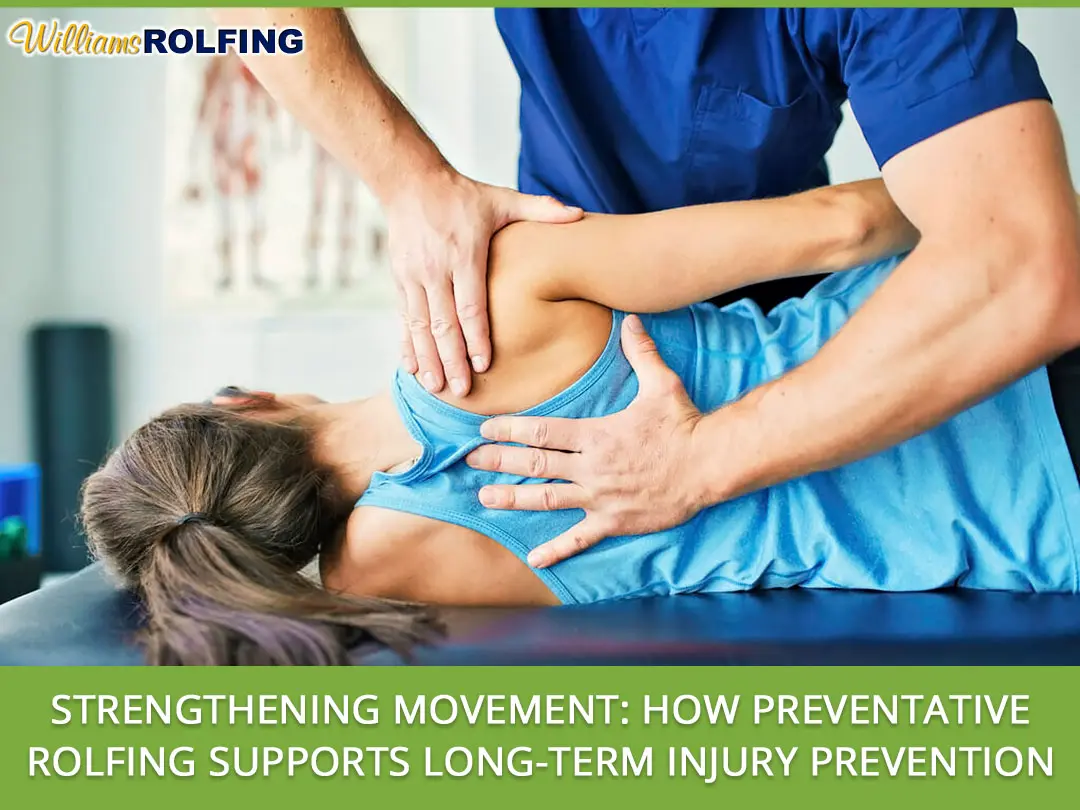
Strengthening Movement: How Preventative Rolfing Supports Long-Term Injury Prevention

Athletes, active adults, and professionals who spend long hours sitting often investigate how to protect their bodies from strain. In Tampa, Rolfing has gained attention as a method that supports balanced movement and reduces the likelihood of future injuries. While many individuals first seek Rolfing to address discomfort, regular sessions can also serve as a proactive approach that supports stability, flexibility, and overall structural alignment. Understanding Rolfing from a Preventive Perspective Rolfing focuses on the body’s connective tissue and how the structure responds to daily stress, movement, and posture. When those patterns become imbalanced, specific muscles overwork while others weaken. These imbalances may lead to strain in the lower back, hips, shoulders, or neck. The preventative approach to Rolfing aims to restore balance before discomfort becomes pronounced. By addressing the body as a whole system rather than isolated regions, Rolfing practitioners observe how weight distribution, joint alignment, and posture influence long-term movement. When the structure is aligned, the body absorbs impact more efficiently and requires less compensatory effort during physical […] Continue reading
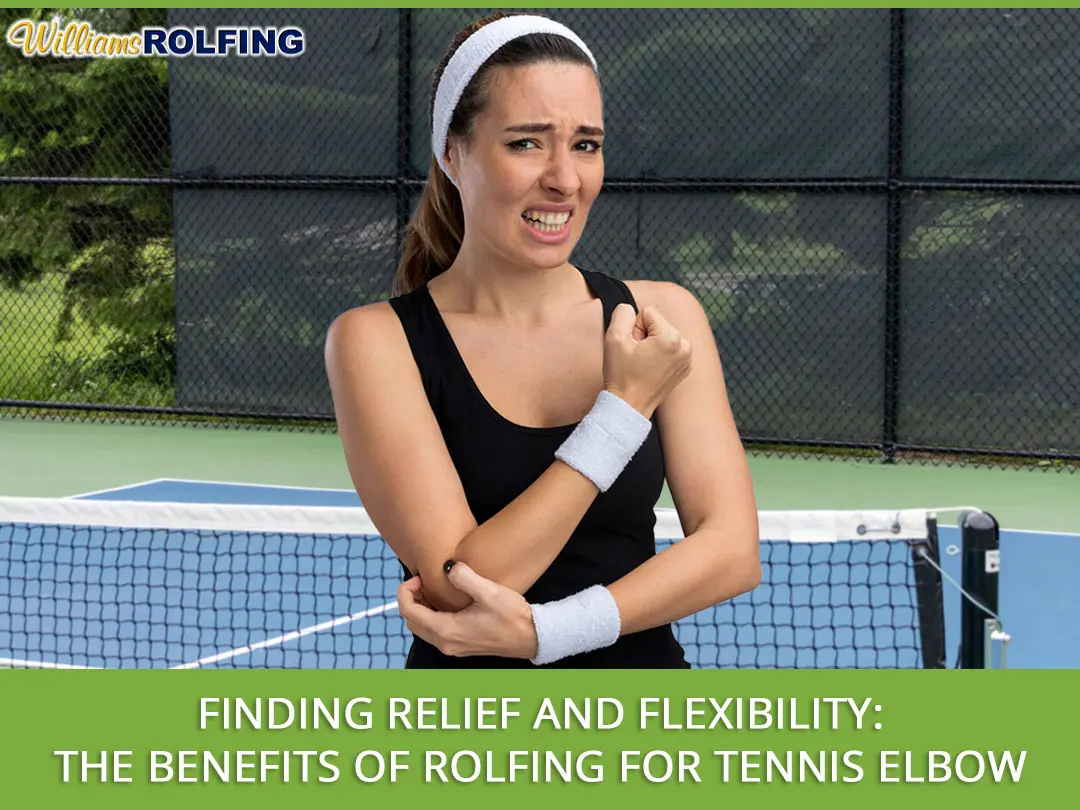
Finding Relief and Flexibility: The Benefits of Rolfing for Tennis Elbow

Understanding tennis elbow and its causes Tennis elbow, also known as lateral epicondylitis, is a common condition resulting from the overuse of the forearm muscles and tendons. While the name suggests it affects only tennis players, it can occur in anyone who repeats gripping or swinging motions. This includes athletes in Tampa who enjoy activities such as pickleball, table tennis, or golf, as well as those who perform repetitive tasks at work. The condition can cause pain on the outside of the elbow, stiffness in the arm, and difficulty lifting or gripping objects. Traditional treatments for tennis elbow often focus on rest, braces, or anti-inflammatory medication. While these methods can temporarily alleviate discomfort, they do not always address the underlying tension patterns within the body. That is where Rolfing, a form of structural integration therapy, offers a unique and lasting approach to healing. How Rolfing supports recovery Rolfing works by changing the way the connective tissue, called fascia, is arranged to bring the body back into balance and alignment. When […] Continue reading

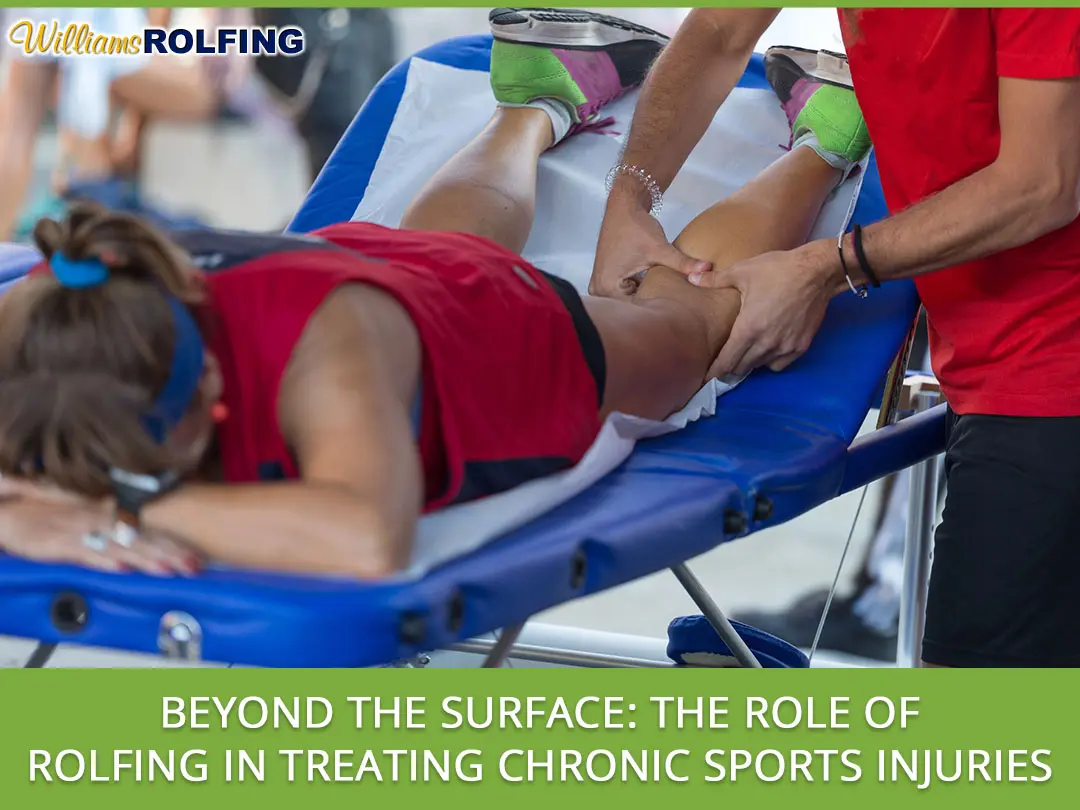
Beyond the Surface: The Role of Rolfing in Treating Chronic Sports Injuries

Understanding Chronic Sports Injuries In Tampa, active communities built around sports such as pickleball and tennis often face a recurring issue: chronic injuries that linger despite traditional care. Conditions like tennis elbow can persist for months or even years, frustrating athletes who follow standard treatment plans without achieving lasting relief. Repetitive strain, improper movement patterns, or gradual muscular imbalances often cause these injuries. While conventional therapies usually focus on relieving immediate discomfort, they may not address the structural patterns that contribute to recurring pain. Rolfing offers a different perspective. Rather than treating surface symptoms alone, it examines the body’s entire structure to uncover the underlying causes of chronic issues. This method utilizes connective tissue to bring the body into better alignment, which can reduce strain on injured areas and enhance overall movement efficiency. How Rolfing Works Rolfing, also known as structural integration, focuses on the fascia, the connective tissue that surrounds muscles, bones, and organs. Repetitive motions, injuries, or incorrect posture can cause this tissue to become tight or misaligned […] Continue reading