
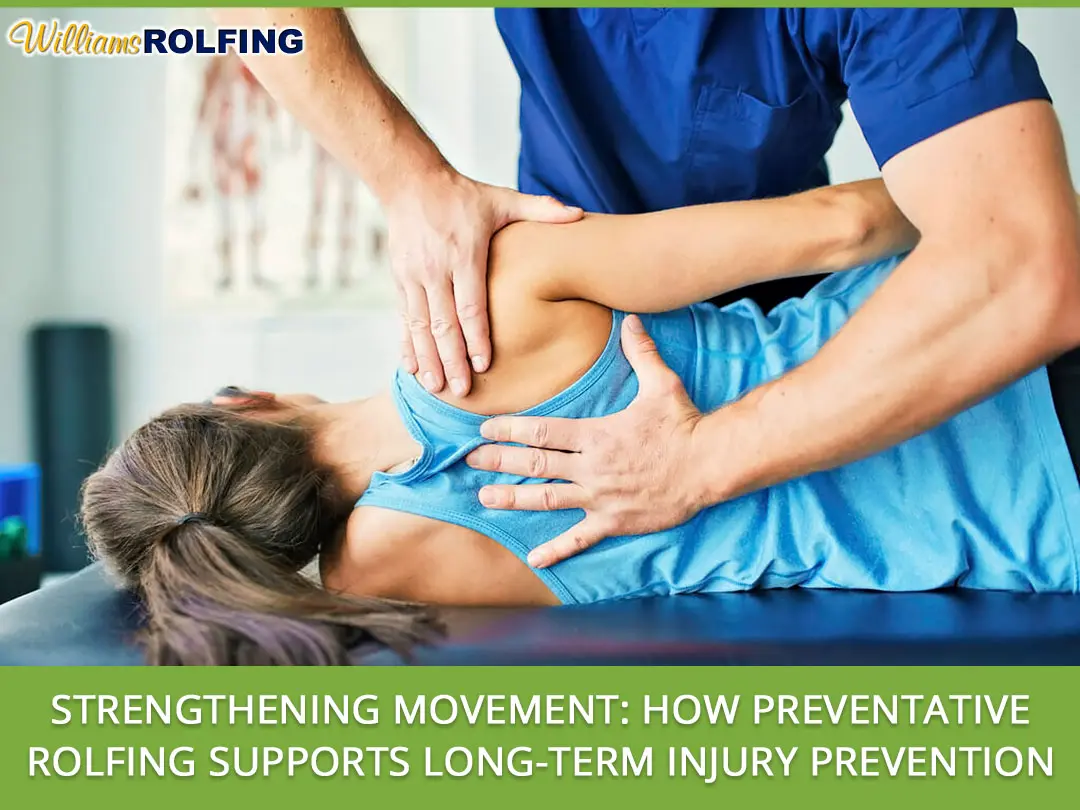
Strengthening Movement: How Preventative Rolfing Supports Long-Term Injury Prevention

Athletes, active adults, and professionals who spend long hours sitting often investigate how to protect their bodies from strain. In Tampa, Rolfing has gained attention as a method that supports balanced movement and reduces the likelihood of future injuries. While many individuals first seek Rolfing to address discomfort, regular sessions can also serve as a proactive approach that supports stability, flexibility, and overall structural alignment. Understanding Rolfing from a Preventive Perspective Rolfing focuses on the body’s connective tissue and how the structure responds to daily stress, movement, and posture. When those patterns become imbalanced, specific muscles overwork while others weaken. These imbalances may lead to strain in the lower back, hips, shoulders, or neck. The preventative approach to Rolfing aims to restore balance before discomfort becomes pronounced. By addressing the body as a whole system rather than isolated regions, Rolfing practitioners observe how weight distribution, joint alignment, and posture influence long-term movement. When the structure is aligned, the body absorbs impact more efficiently and requires less compensatory effort during physical […] Continue reading

Integrating Rolfing Into Your Sports Injury Recovery Plan

When Tampa athletes sustain a sports injury, the focus naturally shifts to swift and effective recovery. While traditional treatments like physical therapy and massage therapy are often the go-to solutions, integrating Rolfing into your recovery plan can provide a more holistic and comprehensive approach to healing. This article explores how Tampa athletes can incorporate Rolfing into their recovery process and combine it with other therapies, such as physical therapy and traditional massage therapy, to ensure a well-rounded recovery experience. Understanding Rolfing and Its Benefits Rolfing, or Structural Integration, is a specialized form of bodywork that focuses on manipulating the body’s fascia—the connective tissue surrounding muscles, organs, and bones. Unlike traditional massage therapy, which typically targets muscle relaxation and tension relief, Rolfing aims to realign the body’s structure and improve posture by addressing the underlying issues in the fascia. This approach can be particularly beneficial for athletes, as it helps to restore balance and symmetry in the body, which is often disrupted by sports injuries. The benefits of Rolfing for athletes […] Continue reading