
August 16, 2026
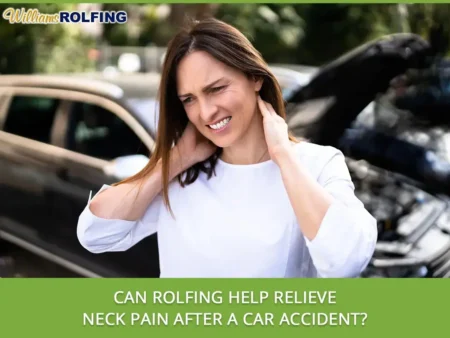
A car accident can affect you long after the car has been repaired. Even in a low-speed collision, unexpected forces may be applied to the neck, shoulders, and upper back, resulting in discomfort that may arise immediately or days later. Stiffness, limited mobility, headaches, or muscle tension are common experiences for many people and can make it challenging to work, exercise, and do everyday tasks. At Williams Rolfing, we often work with people looking for natural ways to improve movement after an accident. Our Rolfing Tampa, FL, services are based on structural integration to address connective tissue restrictions that can happen after trauma. We don’t just look at where the pain is; we also consider how the whole body has adapted to the injury and work to restore balanced movement.
Why Neck Pain Often Persists After a Car Accident
The neck is built to hold the weight of the head and to enable a significant degree of movement. In a collision, the rapid acceleration and deceleration can move the head out of its normal range of motion, putting stress on muscles, ligaments, fascia, and joints. This mechanism is often linked to whiplash, but even accidents that don’t lead to a formal diagnosis can leave residual discomfort.
When you get injured, your body automatically develops protective movement patterns. Muscles may contract to stabilize injured tissues. Connective tissue around the injury may become less mobile. These responses aid in the initial healing process but may persist long after the tissues have healed. As compensation patterns continue, many people experience limited neck motion, shoulder tightness, headaches, or discomfort that radiates into the upper back.
Understanding Structural Integration After Trauma
Looking Beyond the Area of Pain
Rolfing Structural Integration differs from many traditional manual therapies because it uses a whole-body approach. Neck pain isn’t always just in the neck. The neck does not work alone. Constraints in the shoulders, ribcage, spine, hips, or even the feet can affect how the neck functions when standing and moving.
In our evaluations of clients after a car accident, we look at posture, movement patterns, and overall body organization. Once we find the areas of imbalance in the body, we can start to release the restrictions in the connective tissue that are causing ongoing strain. This larger perspective generally allows the movement to be more fluid and less taxing on the cervical spine.
The Role of Fascia in Recovery
Restoring Healthy Movement
Fascia is the connective tissue network that surrounds muscles, tendons, ligaments, nerves, and organs throughout the body. Fascia can become restricted after physical trauma. This phenomenon is a protective response of the body. These restrictions may limit movement, change posture, and result in ongoing pain after the inflammation has resolved.
Rolfing is intended to improve the mobility and organization of the fascial system. We help facilitate more balanced movement around the body using carefully applied manual techniques and movement education. Instead of correction, we are attempting to help the body work more efficiently by lessening unwanted tension that may have built up after an accident.
How Structural Balance Supports Recovery
Many people are surprised to learn that neck pain can get better as other parts of the body begin to function more efficiently. With greater freedom in shoulder movement, the rib cage naturally expands, and the pelvis supports a better posture; the neck often suffers less mechanical stress with daily activities.
Better structural balance can also make people more comfortable driving, working on a computer, exercising, or sleeping. Everyone’s recovery is unique. Reestablishing balanced movement usually helps to enhance flexibility, posture, and awareness of the body. These changes can make daily activities less physically demanding and decrease compensation patterns that lead to recurring discomfort.
Why Early Evaluation Can Be Beneficial
Addressing Movement Patterns Before They Become Habitual
Many people try to manage the pain of an accident with rest alone, hoping the symptoms will resolve over time. Some injuries will improve naturally, but ongoing stiffness or limited mobility may suggest that compensation patterning has become established. Delaying treatment of these restrictions may result in more ingrained patterns of inefficient movement.
We can identify limitations in movement before they become part of one’s daily function by getting an evaluation after medical clearance. Each treatment plan is customized to the client’s condition, recovery goals, and physical presentation. We are not just trying to reduce discomfort but to help clients move with more confidence as they get back to normal activities.
Supporting Recovery Alongside Medical Care
Rolfing structural integration is not a substitute for emergency or medical care after a motor vehicle accident. Anyone involved in a collision should be evaluated by a medical professional to determine if they have any fractures, neurological injuries, or other conditions that need immediate care.
Rolfing may be a useful adjunct to the healing process once serious injuries have been attended to and manual therapy is cleared by health care providers. As we improve structural alignment and fascial mobility, we can better support healthier movement patterns and encourage the body to function more comfortably through everyday life.
Frequently Asked Questions
Can Rolfing help after whiplash?
Many individuals seek Rolfing after receiving medical clearance for whiplash-related symptoms. Structural integration focuses on improving fascial mobility and body alignment that may contribute to lingering stiffness and discomfort.
When should I consider Rolfing after a car accident?
The appropriate timing depends on the severity of your injuries and your healthcare provider’s recommendations. We recommend beginning Rolfing only after receiving medical clearance.
Is Rolfing painful after an injury?
Each session is tailored to the individual’s comfort level and stage of recovery. We work carefully with healing tissues while respecting the body’s natural response to injury.
Can Rolfing improve posture after a car accident?
Yes. Many clients develop protective posture changes following an accident. Rolfing Structural Integration works to improve body organization and movement patterns that may contribute to ongoing postural imbalance.
If you are experiencing persistent neck pain or restricted movement after a car accident, we invite you to contact us. At Williams Rolfing, we provide personalized Rolfing services in Tampa, FL, designed to improve structural balance, restore comfortable movement, and support your recovery. Contact us today to schedule your consultation and learn how we can help you move with greater ease.
Picture Credit: Depositphotos


