
Can Rolfing Help Relieve Neck Pain After a Car Accident?

A car accident can affect you long after the car has been repaired. Even in a low-speed collision, unexpected forces may be applied to the neck, shoulders, and upper back, resulting in discomfort that may arise immediately or days later. Stiffness, limited mobility, headaches, or muscle tension are common experiences for many people and can make it challenging to work, exercise, and do everyday tasks. At Williams Rolfing, we often work with people looking for natural ways to improve movement after an accident. Our Rolfing Tampa, FL, services are based on structural integration to address connective tissue restrictions that can happen after trauma. We don’t just look at where the pain is; we also consider how the whole body has adapted to the injury and work to restore balanced movement. Why Neck Pain Often Persists After a Car Accident The neck is built to hold the weight of the head and to enable a significant degree of movement. In a collision, the rapid acceleration and deceleration can move the head […] Continue reading
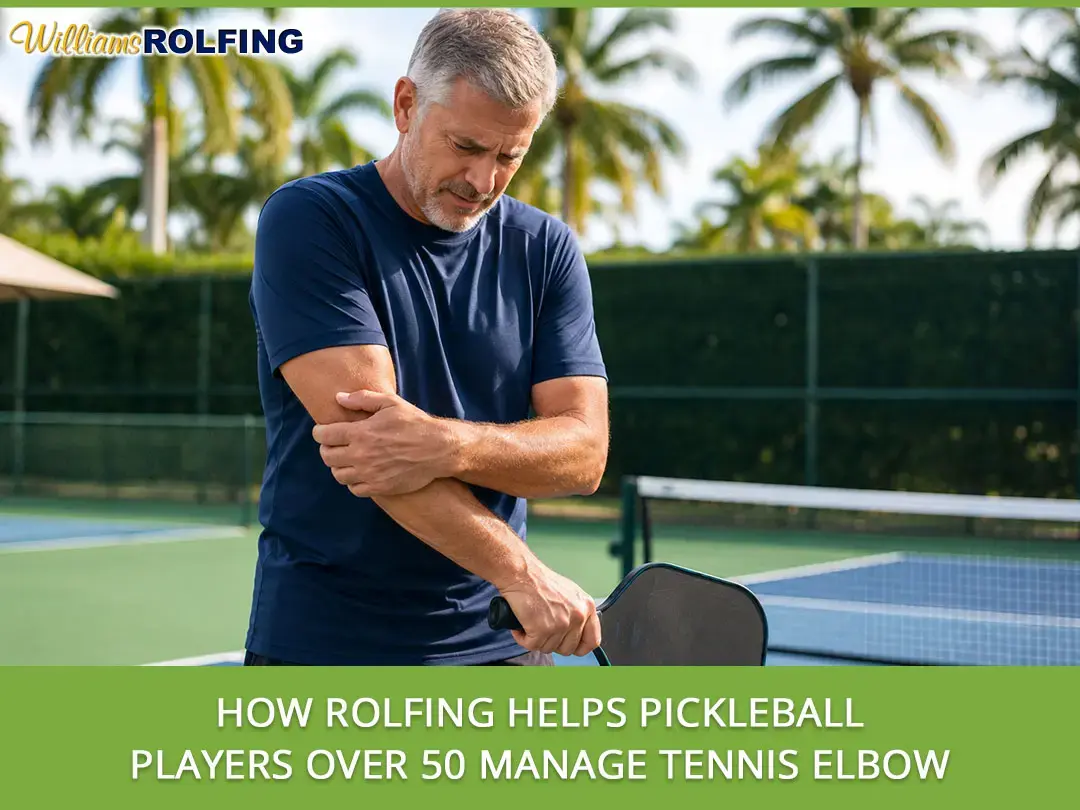
How Rolfing Helps Pickleball Players Over 50 Manage Tennis Elbow

Why Tennis Elbow Is Common in Pickleball Players Over 50 Pickleball continues to grow rapidly among active adults in Tampa, FL, especially among players over 50 who enjoy the sport’s social and physical benefits. While pickleball offers lower-impact movement compared to some activities, repetitive paddle use still places stress on the wrist, forearm, elbow, and shoulder. Many players eventually develop pain commonly known as tennis elbow. Rolfing sessions focused on movement patterns and connective tissue balance may help address the physical strain associated with repetitive pickleball activity. At Williams Rolfing, we often work with clients experiencing tennis elbow symptoms stemming from overuse, changes in posture, limited shoulder mobility, and muscular compensation patterns developed over time. For many, maintaining mobility and reducing pain matter just as much as remaining competitive on the court. Understanding Tennis Elbow Beyond the Elbow Joint The problem of tennis elbow is often misunderstood as an isolated issue of the elbow. In reality, pain near the outer elbow is often caused by stress patterns involving the wrist, […] Continue reading

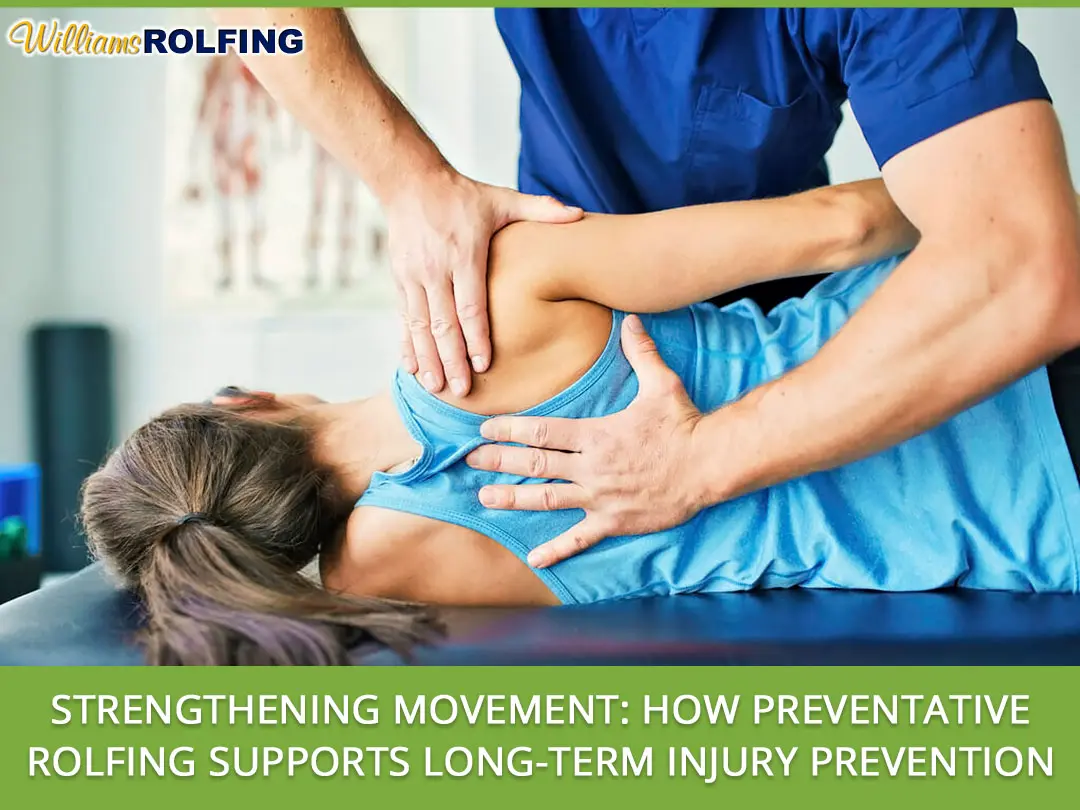
Strengthening Movement: How Preventative Rolfing Supports Long-Term Injury Prevention

Athletes, active adults, and professionals who spend long hours sitting often investigate how to protect their bodies from strain. In Tampa, Rolfing has gained attention as a method that supports balanced movement and reduces the likelihood of future injuries. While many individuals first seek Rolfing to address discomfort, regular sessions can also serve as a proactive approach that supports stability, flexibility, and overall structural alignment. Understanding Rolfing from a Preventive Perspective Rolfing focuses on the body’s connective tissue and how the structure responds to daily stress, movement, and posture. When those patterns become imbalanced, specific muscles overwork while others weaken. These imbalances may lead to strain in the lower back, hips, shoulders, or neck. The preventative approach to Rolfing aims to restore balance before discomfort becomes pronounced. By addressing the body as a whole system rather than isolated regions, Rolfing practitioners observe how weight distribution, joint alignment, and posture influence long-term movement. When the structure is aligned, the body absorbs impact more efficiently and requires less compensatory effort during physical […] Continue reading

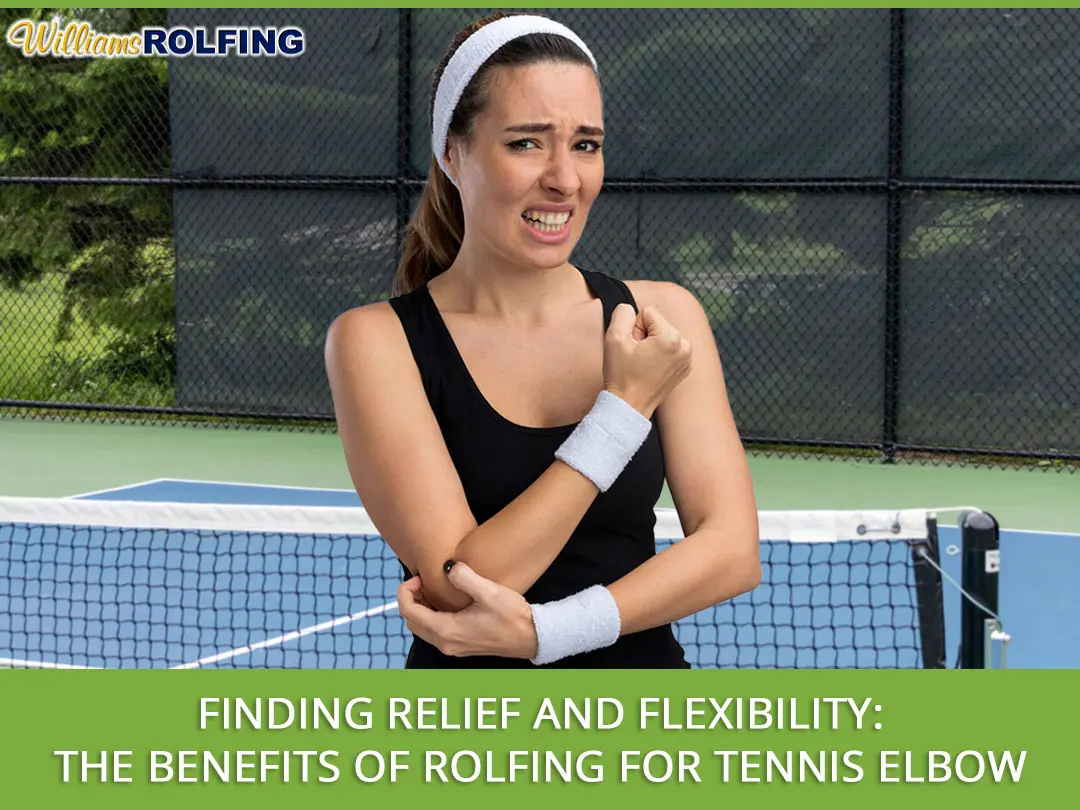
Finding Relief and Flexibility: The Benefits of Rolfing for Tennis Elbow

Understanding tennis elbow and its causes Tennis elbow, also known as lateral epicondylitis, is a common condition resulting from the overuse of the forearm muscles and tendons. While the name suggests it affects only tennis players, it can occur in anyone who repeats gripping or swinging motions. This includes athletes in Tampa who enjoy activities such as pickleball, table tennis, or golf, as well as those who perform repetitive tasks at work. The condition can cause pain on the outside of the elbow, stiffness in the arm, and difficulty lifting or gripping objects. Traditional treatments for tennis elbow often focus on rest, braces, or anti-inflammatory medication. While these methods can temporarily alleviate discomfort, they do not always address the underlying tension patterns within the body. That is where Rolfing, a form of structural integration therapy, offers a unique and lasting approach to healing. How Rolfing supports recovery Rolfing works by changing the way the connective tissue, called fascia, is arranged to bring the body back into balance and alignment. When […] Continue reading

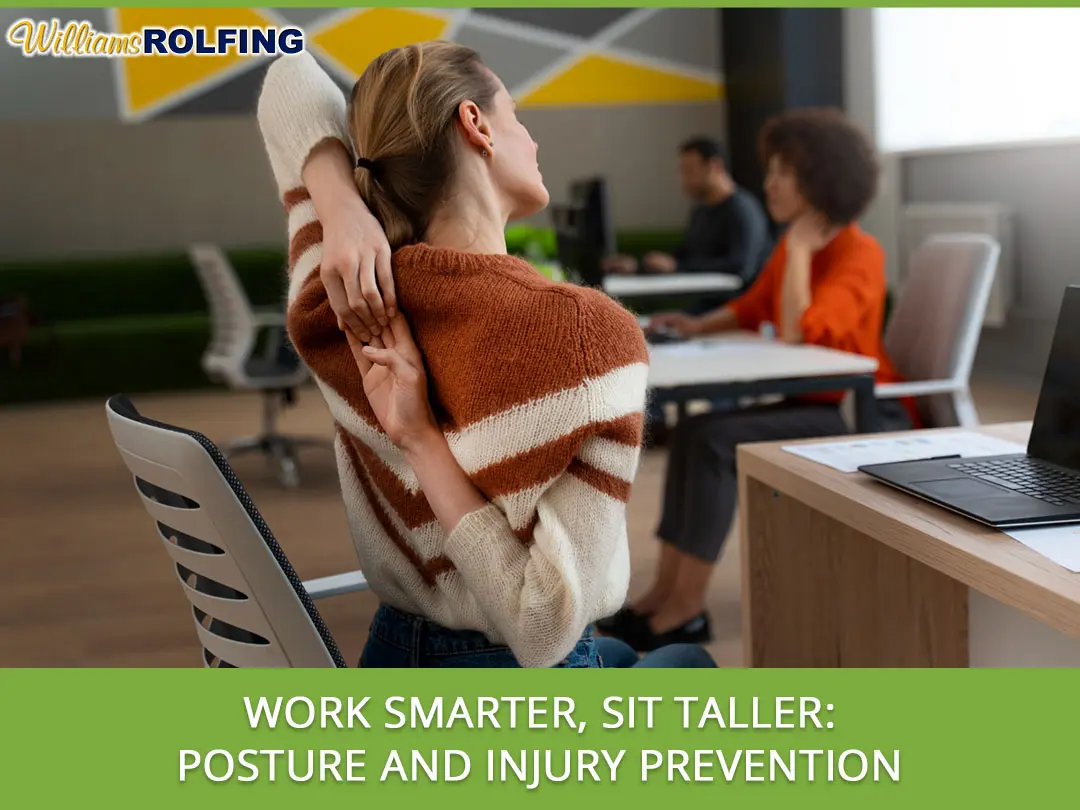
Work Smarter, Sit Taller: Posture and Injury Prevention

In many modern workplaces, employees spend long hours seated at desks, typing on keyboards, or standing in repetitive positions. Over time, poor posture can contribute to chronic pain, tension, and increased risk of workplace injuries. As interest in holistic approaches to occupational health grows, some individuals in Tampa are turning to Rolfing to improve alignment and reduce the strain caused by everyday tasks. This article addresses frequently asked questions about posture, workplace safety, and how bodywork methods, such as Rolfing, can help employees achieve better health. How does posture affect workplace health? Posture is not just how you stand or sit. It affects how the body balances, distributes weight, and uses muscles during everyday tasks. Bad posture can put stress on the spine, shoulders, hips, and knees in an uneven way. This often manifests at work as neck pain from looking down at a screen, back pain from sitting without proper support, or leg fatigue from standing without appropriate alignment. Over time, these stresses can lead to injuries that make […] Continue reading

Diet and Nutrition Tips for Better Rolfing Results

Many individuals in Tampa Bay turn to Rolfing therapy to ease chronic discomfort, improve posture, and enhance flexibility. While this hands-on method addresses the body’s structural alignment, manipulation alone does not shape the effects of therapy. Diet plays a significant role in influencing how the body responds. High amounts of sugar and processed carbohydrates can fuel inflammation, deplete energy, and limit progress in sessions. Fortunately, thoughtful dietary adjustments can amplify the benefits of Rolfing and support long‑lasting results. By reducing sugar and refined carbs and emphasizing nutrient‑rich whole foods, clients foster an internal environment that complements therapeutic work. This article explores how nutrition impacts connective tissue, identifies food strategies to support recovery, and provides practical tips to promote alignment and wellness. How Diet Influences Tissue Health Fascia, the connective tissue that envelops muscle and joint structures, is the subject of Rolfing’s work. Hydration, nutrition, and avoiding inflammatory food triggers are critical for maintaining fascia’s suppleness and responsiveness. Diets high in processed foods and refined grains often limit mobility, causing stiffness […] Continue reading

Finding Relief At The Source: How Rolfing Helps With TMJ Syndrome

Temporomandibular Joint (TMJ) Syndrome affects millions of individuals each year. This often painful condition can create discomfort in the jaw, face, head, neck, and shoulders, interfering with basic daily functions such as chewing, speaking, or even resting comfortably. For many living in the Tampa Bay area, conventional treatments often focus on managing symptoms rather than resolving underlying tension patterns. However, Rolfing offers a hands-on, holistic approach that considers the body’s alignment as a whole to relieve TMJ-related discomfort from the inside out. Understanding TMJ Syndrome Beyond the Jaw TMJ Syndrome is a temporomandibular joint disorder that connects the jawbone to the skull. The symptoms vary from jaw pain to clicking and popping, stiffness, headaches, and pain upon opening or closing the mouth. Even though some relief is often granted through dental treatment, orthodontia, or splints, in the majority of individuals, the pain and tension continue. This is because TMJ symptoms are not strictly limited to the jaw. Imbalance in the head, neck, and shoulder structures can all cause the jaw […] Continue reading

Quiet The Ache: How Rolfing Can Help Alleviate Headaches

Headaches can interrupt productivity, reduce quality of life, and become a constant, unwelcome companion. While over-the-counter medications may provide temporary relief, they often fail to address the source of the discomfort. In Tampa, individuals who experience frequent tension or migraine headaches are exploring holistic, body-focused alternatives. Among the options available, Rolfing is gaining attention as a therapeutic method that goes beyond symptom management to address structural and postural issues that may contribute to chronic head pain. Understanding the Origins of Headaches To understand how Rolfing can alleviate headaches, it is beneficial to know their possible causes. Headaches, in most cases, are caused by tension in the neck, shoulder, and upper back muscles. Poor posturing, repetitive movements, prolonged computer use, and jaw clenching can contribute to imbalances that strain the soft tissues and nerves of the head and neck. Migraines, being the more complex of the two, can also arise from vascular change, hormonal shifts, or neurologic patterning. While headache disorders are as varied in their cause and severity as their […] Continue reading

Elbow In Distress: Understanding And Easing Tennis Elbow Through Rolfing

The Rise of Repetitive Strain in Popular Sports As pickleball the craze spreads through Tampa and beyond, persistent elbow aches are plaguing an increasing number of amateur and professional players. Easily mistaken for regular joint stiffness, however, the aching may be an affliction known as tennis elbow. Characterized by persistent tenderness on the lateral aspect of the elbow, it can affect grip strength and arm mobility, and even turn daily activities into a chore. While rest, medication, and physical therapy are usual remedies, a lesser-known but effective therapy is gaining popularity: Rolfing. The bodywork technique offers an alternative path to relief and recovery for players who wish to return to the court without aches. What is Tennis Elbow – A Study of the Cause Tennis elbow, or lateral epicondylitis to use its medical name, occurs when tendons on the lateral aspect of the elbow become overloaded, most frequently through repetitive wrist and arm use. Though named for prevalence among tennis players and pickleball players, a wide variety of people are […] Continue reading

Sugar And Stress: Breaking The Cycle Of Sweet Cravings And Anxiety

Stress can be exhausting, and for many people, the go-to solution is sugar. That quick hit of something sweet can provide a temporary energy boost and a fleeting sense of comfort, but the longer-term effects on mental and physical health often tell a different story. Understanding the connection between sugar and stress can help break this cycle and improve overall well-being. The Connection Between Stress and Sugar Cravings When stress strikes, the body releases cortisol, a hormone that increases alertness and helps the body prepare for challenges. However, prolonged stress elevates cortisol levels, leading to increased sugar cravings. This happens because the body interprets stress as needing quick energy, and sugar is the fastest fuel source. Unfortunately, this sets off a chain reaction. When sugar is consumed, blood sugar levels rise, leading to a short-term increase in energy and a release of dopamine — the brain’s “feel-good” chemical. But this high is quickly followed by a sharp drop in blood sugar levels, leaving the body feeling tired and the mind […] Continue reading