
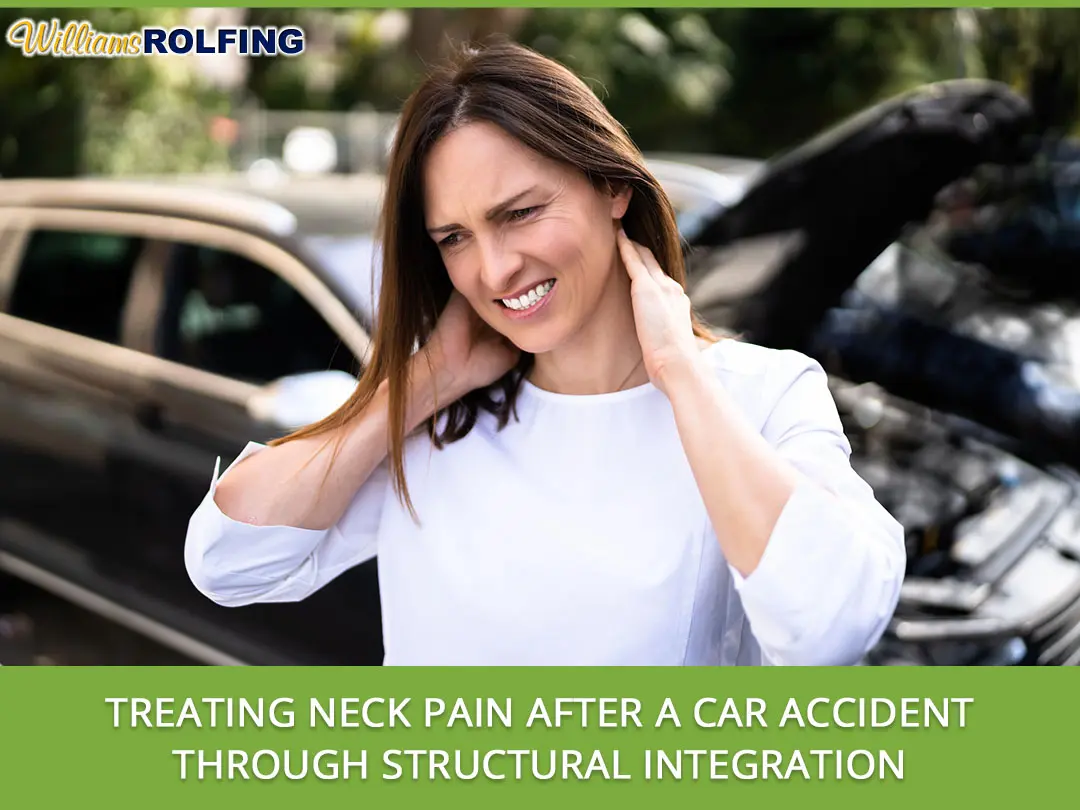
Treating Neck Pain After a Car Accident Through Structural Integration

Neck pain is one of the most common complaints following a motor vehicle collision. Even low-speed impacts can cause significant strain to the muscles, fascia, and connective tissues that support the cervical spine. In Tampa, individuals seeking alternative approaches to pain management often explore Rolfing as a method for restoring structural balance and improving physical function. Understanding how trauma affects the body is essential for effective recovery. Car accidents frequently disrupt alignment patterns, leading to compensatory movement and chronic discomfort. Without proper intervention, these changes can persist and influence posture, mobility, and overall well-being. Understanding the Nature of Post-Accident Neck Pain When you get into a car accident, your neck can get hurt from sudden acceleration and deceleration forces. These forces exert significant pressure on soft tissues, joints, and nerve pathways. Medical imaging may not always show visible damage, but pain and functional limitations can still occur. Common symptoms include headaches, stiffness, reduced range of motion, and muscle tension. These symptoms may appear right away or worsen over time. Conventional […] Continue reading

Rolfing Strategies For Reducing Neck Pain

Chronic neck pain can significantly impact daily life, limiting mobility and causing ongoing discomfort. Whether it’s due to prolonged desk work, stress, or an old injury, finding effective pain relief strategies is a priority for many. Rolfing, a holistic bodywork approach, offers a unique way to address chronic neck pain by focusing on posture, alignment, and the interconnectedness of the body’s structures. If you’re in Tampa and seeking natural, effective solutions, Rolfing may provide the relief you’ve been searching for. Understanding Rolfing and Neck Pain Rolfing Structural Integration is a form of therapy that reorganizes the connective tissue, or fascia, in the body. Fascia plays a significant role in maintaining posture and mobility. When fascia becomes tight or misaligned, it can lead to pain and restricted movement, particularly in the neck and shoulders. Unlike traditional massage, which focuses on muscle relaxation, Rolfing delves deeper into the body’s structural patterns. Addressing imbalances and restoring alignment can help alleviate chronic neck pain at its source rather than just managing symptoms. Practical Rolfing […] Continue reading