
April 1, 2026
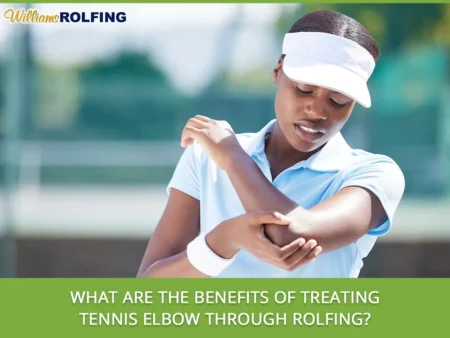
Understanding Tennis Elbow and Its Impact on Daily Activity
Tennis elbow is a common condition that affects individuals who perform repetitive arm and wrist movements. While it is often associated with racquet sports, it can also impact those who engage in activities such as typing, lifting, or playing pickleball. Many individuals exploring alternative therapies are turning to Rolfing as a way to address discomfort and restore function. Understanding how this condition develops is the first step toward effective treatment.
Tennis elbow, medically known as lateral epicondylitis, occurs when excessive use inflames the tendons in the forearm. This can cause pain, make it harder to hold things, and limit how far you can move. Many traditional treatments focus on rest, medication, or physical therapy. However, some people want more holistic approaches that look at the whole body.
How Rolfing Addresses the Root Cause of Pain
Focusing on Structural Alignment
Rolfing is a type of manual therapy that focuses on aligning the body’s connective tissue. It doesn’t just treat symptoms; it also improves posture and movement patterns as a whole. When the body is in the right position, stress on the affected areas is lessened, which makes them work better.
This method can help people with tennis elbow relax their forearms, shoulders, and upper back. Rolfing promotes long-term improvement rather than just short-term relief by focusing on these interconnected areas.
Improving Movement and Reducing Strain
Inefficient movement patterns are often what cause repetitive strain. The goal of Rolfing sessions is to teach the body to move more naturally and with less effort. This can help reduce the recurring stress that causes tendon irritation.
Athletes who enjoy pickleball can improve their performance and reduce their injury risk by adopting better movement mechanics. Better alignment lets you swing more smoothly and move more slowly, which can help prevent the elbow from worsening.
Benefits of Rolfing for Tennis Elbow Recovery
Reducing Pain and Inflammation
One of the best things about Rolfing is that it can help relieve pain by releasing tension in the fascia and surrounding tissues. This can help the body heal itself and improve blood flow. Reducing tension can also help with inflammation, making everyday tasks more comfortable.
Rolfing looks at how the whole body affects the condition, not just the elbow, like other methods. This broad view can lead to better and longer-lasting results.
Enhancing Flexibility and Strength
Rolfing can make you more flexible by stretching tight tissues and restoring balance to your body. More flexibility means more range of motion, which is important for both recovery and performance.
Muscles can work better as alignment gets better. This helps build strength without putting too much stress on the joints. This balance is crucial for people returning to activities like pickleball to maintain their long-term health.
Supporting Long-Term Wellness Through Rolfing
Preventing Future Injuries
Addressing the underlying causes of tennis elbow reduces the risk of it happening again. Rolfing makes the body more stable during exercise by improving posture and movement patterns. This proactive approach promotes health and reduces the likelihood of future injuries.
People who keep their bodies in the right position are better able to handle the stress of doing the same thing repeatedly. This kind of approach can help you do better and feel more confident in physical activities.
Complementing Other Treatments
Rolfing can help you get better, faster, when used alongside other treatments. You can create a comprehensive treatment plan by combining it with exercises, stretching routines, or professional support. This combined method helps people address many aspects of their condition.
Experienced practitioners tailor each session to the person’s needs. This individualized care helps with both short-term relief and long-term improvement.
Frequently Asked Questions
What is Rolfing, and how does it help tennis elbow?
Rolfing is a manual therapy that focuses on improving body alignment and movement. It helps reduce strain on the elbow by addressing tension throughout the body.
Is Rolfing effective for pickleball-related injuries?
Yes, Rolfing can help individuals who experience strain from pickleball by improving movement patterns and reducing repetitive stress.
How many Rolfing sessions are needed for tennis elbow?
The number of sessions varies depending on the severity of the condition, but many individuals notice improvement after several treatments.
Can Rolfing replace traditional medical treatment?
Rolfing can complement traditional treatments, but it is important to consult healthcare professionals for a complete approach to care.
Conclusion
Rolfing provides a holistic approach to treating tennis elbow, addressing both symptoms and underlying causes. By improving alignment, reducing tension, and enhancing movement, this method supports effective recovery and long-term wellness. Individuals exploring Rolfing in Tampa, FL, can benefit from personalized care that promotes both healing and performance. To learn more about how this approach can support your recovery, visit Williams Rolfing and take the next step toward improved mobility and comfort.
Picture Credit: Depositphotos


